 purvainternational@hotmail.com |
  +91-94141-66551
Why does drinking alcohol cause dehydration? Dr Karl’s Great Moments In Science ABC Science
Celiac disease is a chronic autoimmune disease that damages your small intestine. It occurs when affected people consume foods that does alcohol make you dehydrated contain gluten, a protein found in wheat, rye, barley, and certain other grains. When the body is dehydrated, it can struggle to regulate its temperature, which can cause additional fatigue and lethargy.
- Dehydration can lead to feelings of fatigue and weakness, which can impair physical and mental performance, impacting everyday activities such as work and exercise.
- Dehydration can also cause dizziness, as it lowers your blood volume and blood pressure, affecting blood flow to the brain.
- However, if urine samples were incomplete, we expect this to have happened randomly, without influencing the outcome of the study.
Eat Plenty of Food Before Drinking
Dehydration may also impair blood sugar response in some, such as those with type 2 diabetes. Research from 2017 found that people with diabetes who had 3 days of low water intake had an impaired blood glucose response. Lower levels of hydration in the body decrease the volume of the cells, which may impact a person’s blood sugar. Energy drinks may contain a combination of dehydrating ingredients. They generally contain high levels of caffeine and sugar and may contain other added ingredients that stimulate the kidneys and act as a diuretic.
Hydrating Before, During, and After Drinking
But have you ever wondered why you feel so thirsty after a alcoholism treatment night of drinking? A lower-alcohol beer, if you don’t drink too many, will be less dehydrating than wine or hard liquor, since beer generally has a lower alcohol content. No matter what you choose to drink, drinking slowly and savoring your drink is a good way to moderate your total alcohol consumption and minimize alcohol’s dehydrating effects. There are two main reasons that drinking alcohol can lead to dehydration.
Long-Term Effects Of Dehydration
- The best way to consume a beer is to drink it with a glass of water.
- The hypothalamus gland regulates body temperature, and alcohol causes a slowing down of the hypothalamus.
- It is recommended to drink over 20 ounces of water to rehydrate the body in about 45 minutes.
- While having food in your stomach can slow down alcohol absorption, it does not prevent dehydration as the diuretic effect of alcohol remains unchanged.
It’s also crucial to be mindful of the signs of dehydration and take proactive steps to address them. Common symptoms include thirst, dark-colored urine, dizziness, and fatigue. If you experience any of these symptoms, stop drinking alcohol immediately and focus on rehydrating with water or electrolyte-rich fluids. Avoid caffeinated or sugary drinks, as they can exacerbate dehydration.
Alcohol and Muscle Cramps: How Drinking Affects Your Muscles
In this article, we explore how alcohol affects your muscles and why drinking can lead to cramping and muscle discomfort. Even with sustained high blood alcohol concentration from multiple drinks, the body didn’t continue to lose excess fluid beyond what would happen with water. In this study measuring urine output after drinking, there’s a clear pattern.
Dehydration can further impair judgement and coordination, increasing the risk of accidental drowning. Sun exposure and alcohol consumption are a dangerous combination, and this is especially true when boating. The sun’s heat can cause heat stroke, which is made worse by drinking alcohol. Heat stroke occurs when the body is unable to regulate its temperature, and alcohol impairs the body’s ability to do this. The effects of alcohol are intensified when boating due to factors such as motion, vibration, engine noise, sun exposure, wind, and spray. These factors can impair a person’s coordination, balance, and judgment, leading to a greater risk of accidents and injuries.

Individual Tolerance Levels
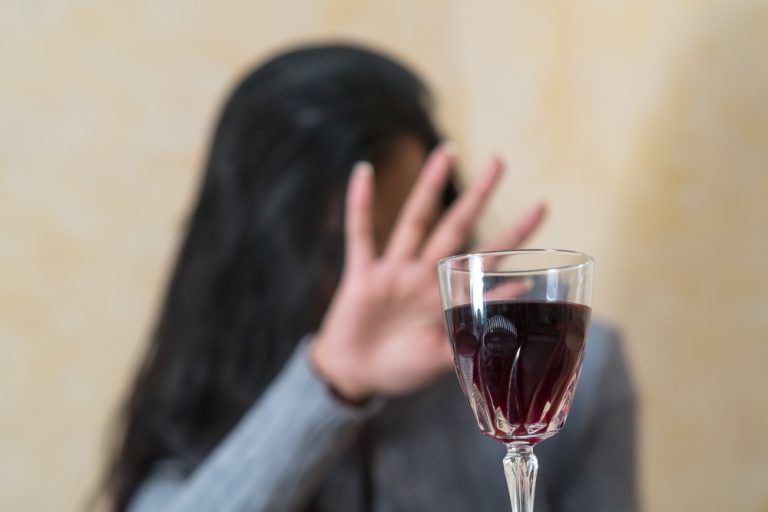
People who experience frequent muscle cramps due to alcohol consumption should consider reducing their intake to support nerve and muscle health. Acetaldehyde is a metabolic byproduct of alcohol consumption, a known carcinogen, and a highly toxic molecule (Na & Lee, 2017). The good news is that you’re exposed to far less acetaldehyde than alcohol when you drink. But what happens when someone has multiple drinks over several hours?
- It is important to remember that alcoholic beverages do not hydrate the body.
- Water, electrolyte sports drinks, and certain herbal teas are better options to remain hydrated.
- From social gatherings and personal celebrations to unwinding after a long day, alcohol plays a key role in many people’s lives.
- Conversely, excessive moisture can also be harmful, but alcohol-induced dehydration tends to push the wound environment toward dryness, which is detrimental.
- If alcohol continuously dehydrated the body, you’d expect to see repeated spikes in urine flow with each drink.
But long-term and excessive alcohol consumption can lead to liver inflammation (liver hepatitis). Symptoms of this condition include appetite loss and weight loss. Meanwhile, binge drinking focuses more on how quickly and how much you drink in one sitting.
Additionally, alcoholic beverages can give a false sense of hydration. Even though drinking a lot of beer or alcoholic seltzer can make you feel like you’re taking in a lot of liquids and staying hydrated, the dehydrating effect of alcohol offsets this. This is also true for mixed drinks that contain liquids such as cola, tonic, or juice. The alcohol in these drinks still has a dehydrating effect, even if they may feel more hydrating than spirits. Alcohol dehydration is a condition where the body loses significant amounts of water and essential electrolytes as a result of alcohol consumption.
Start building healthier drinking habits today.
In most people, the body will quickly restore electrolyte balance once the effects of alcohol subside. Alcohol is not just a staple of social gatherings; it also acts as a potent diuretic. When consumed, alcohol increases urine production, accelerating fluid loss and potentially leading https://ecosoberhouse.com/ to dehydration. This effect can complicate the body’s fluid equilibrium, making it challenging to maintain optimal hydration levels. We’ll delve into how alcohol can cause dehydration, identify the symptoms to watch for, and offer practical advice on how to counteract this drying effect.
It is important to drink alcoholic beverages in moderation during hot weather and to stay hydrated by consuming water or other non-alcoholic fluids. It is also recommended to avoid drinking alcohol during the hottest part of the day and to seek shade when consuming alcohol in the sun. Alcohol reduces perspiration, which is the body’s natural cooling mechanism. When you drink alcohol, your body reduces the release of an antidiuretic hormone (ADH) called vasopressin, which works with your kidneys to keep your body fluids balanced. At the same time, alcohol is a diuretic, which means more urination and fluid loss. This can lead to dehydration, which is already a risk in hot weather due to increased sweating.